Powering
Bold
Ideas
Ace Creatives
.svg)
©2024. All rights reserved.
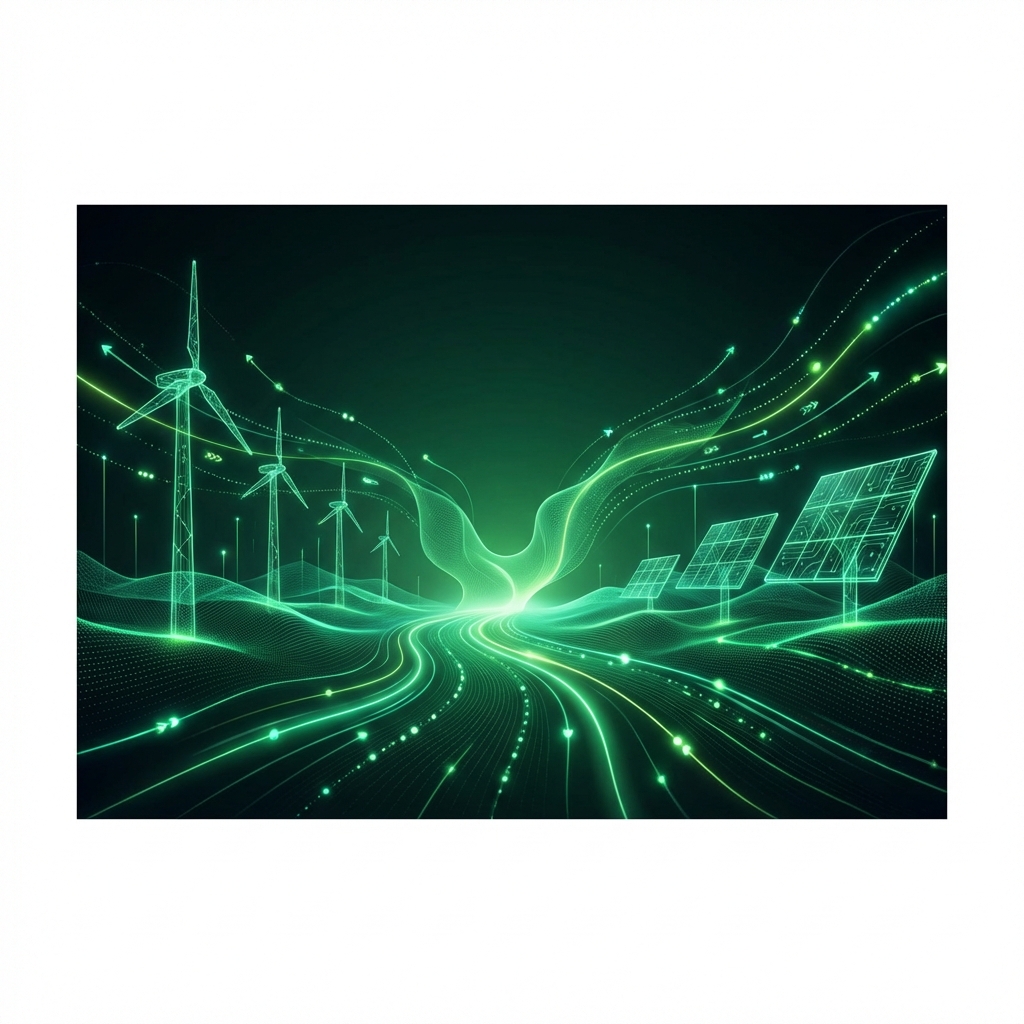


Web Design Trends to Watch in 2026
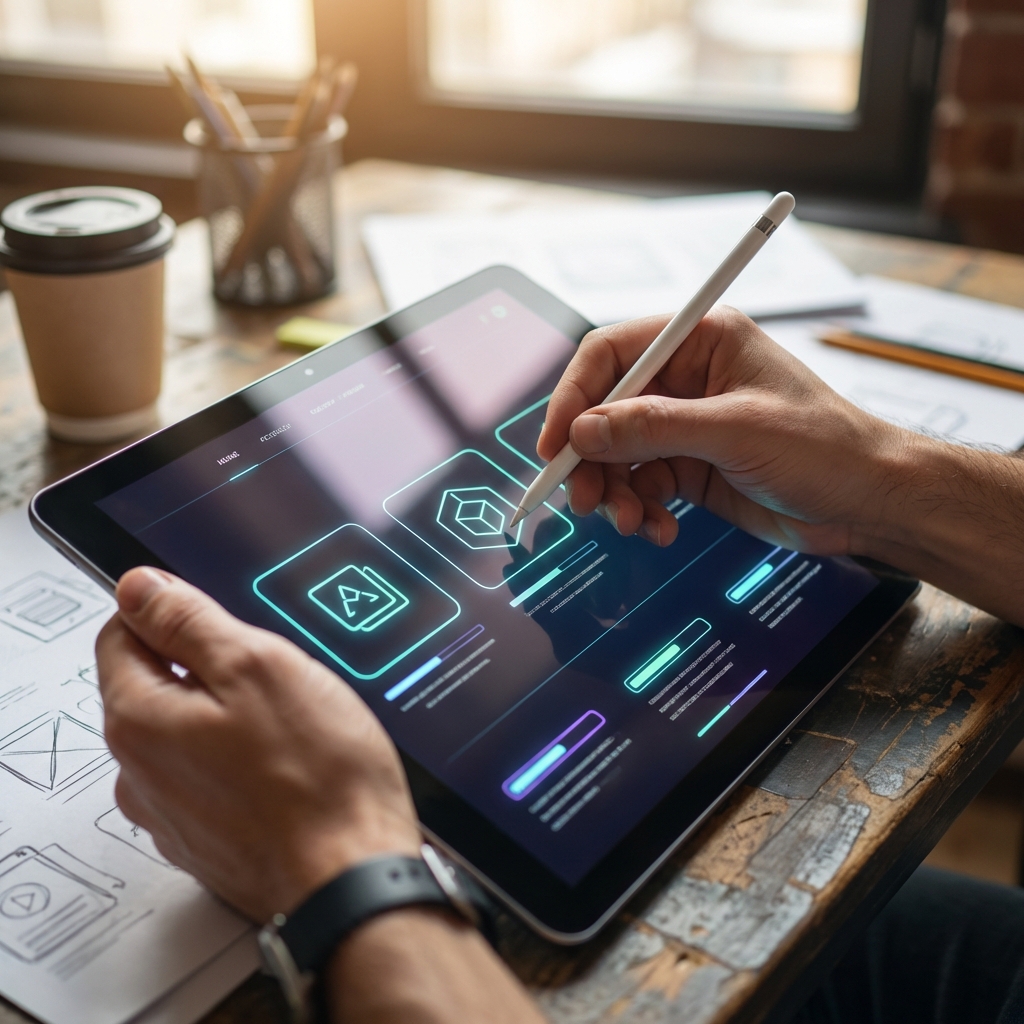
The Web is Alive
The web is alive. In 2026, we are witnessing the death of the "static brochure" site and the rise of immersive, adaptive, and spatial digital experiences. The new standard is not just to inform, but to transport and transform. We have moved beyond the flatland of standard DOM elements into a realm where interfaces have physics, depth, and intelligence.
This evolution is driven by the convergence of three powerful forces: ubiquitous high-speed 6G connectivity, the maturation of browser-based 3D rendering (WebGL/WebGPU), and the expectation of users raised on high-fidelity gaming. They no longer accept loading spinners or static JPEGs. They demand experiences that feel as responsive and rich as the physical world around them.
Spatial UI and the Third Dimension
With the normalization of AR/VR headsets, web design is breaking the fourth wall. We are moving from 2D planes to 3D depth. "Spatial UI" involves designing elements that react to depth, parallax, and z-index in meaningful ways. Shadows are physics-based; layers have genuine separation. Buttons don't just change color; they depress into the Z-axis.
Ace Creatives utilizes WebGL and Three.js to seamlessly integrate 3D objects into the browser. These aren't just gimmicks; they are interactive products that users can rotate, inspect, and explore. The boundary between a website and a video game is dissolving. Imagine trying on a pair of sneakers virtually, not by looking at a photo, but by manipulating a photorealistic 3D model that casts real-time shadows on your actual floor via AR.
"The screen is a window, not a painting. In 2026, we are finally stepping through the glass."
Bento Grids and Modular Layouts
Inspired by Apple's promotional materials and dashboard UI, the "Bento Box" layout has taken over. It organizes content into distinct, rounded rectangular cells. This modular approach is incredibly responsive and scannable. It creates a "control panel" aesthetic that feels potent and organized, perfect for the information-dense needs of modern users. It allows for a non-linear storytelling approach, where users can hop between "cells" of content—video, text, stats, tools—at their own pace.
This grid system is also inherently responsive. On a desktop, the bento box is a sprawling dashboard. On mobile, the cells stack vertically, preserving the integrity of each content unit without breaking the flow. It is the ultimate marriage of form and function.
Hyper-Personalization and Smart Sites
Static websites are becoming "Smart Sites." Using on-device AI, websites can now subtly adapt to the user's context. A reading app might increase contrast if it detects you are outside in the sun. An e-commerce site might shuffle the layout based on your browsing speed. The experience moulds itself to the user, not the other way around.
This goes beyond simple "dark mode." We are talking about predictive pre-fetching of content based on mouse movement, dynamic text simplification for users who skim-read, and personalized hero imagery generated on the fly. The website of 2026 is not a broadcast; it is a conversation tailored to a an audience of one.
The Verdict
To stand still is to move backward. These trends represent a maturation of the medium. The web is becoming more physical, more intelligent, and more organized. Is your digital presence ready for the next dimension? We are. Let's build it.
Related Insights

Newsletter
Subscribe our
newsletter
By clicking the submit button, you agree to the
rules for processing
personal data.