Powering
Bold
Ideas
Ace Creatives
.svg)
©2024. All rights reserved.
The Future of AI in Creative Design
The Dawn of Co-Creation
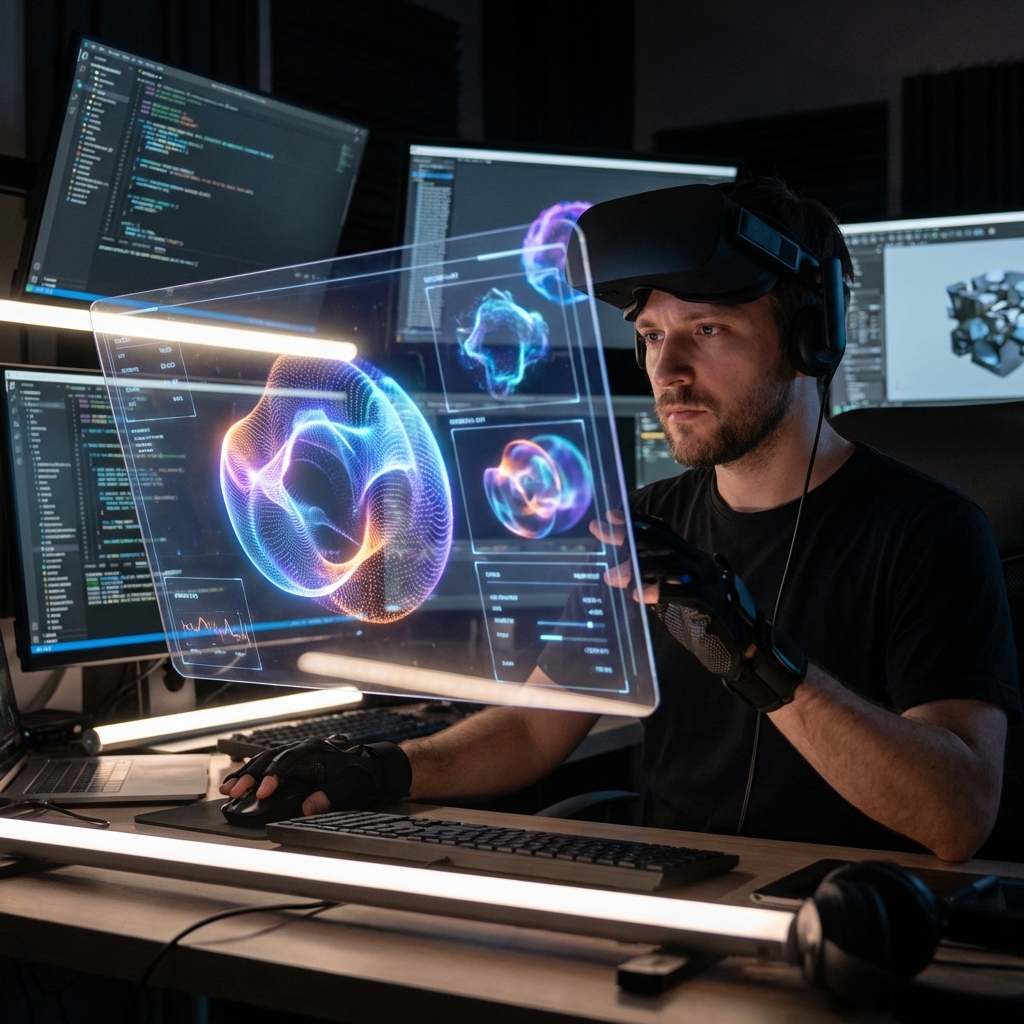
For decades, the relationship between the designer and their tools has been linear. The designer conceptualizes, and the tool executes. The pencil does not suggest a curve; the software does not propose a color palette. The creative agency lay entirely with the human. But we are now standing at the precipice of a radical shift. Artificial Intelligence has evolved from a passive utility into an active collaborator. The era of creation is ending; the era of co-creation has begun.
This shift is viewed with a mixture of excitement and existential dread. Will machines replace the artist? Will algorithms replace the architect? These fears, while understandable, are misplaced. AI is not a replacement for human creativity; it is a catalyst for it. It is an infinite canvas, a tireless assistant, and a generator of possibilities that the human mind alone might never conceive.
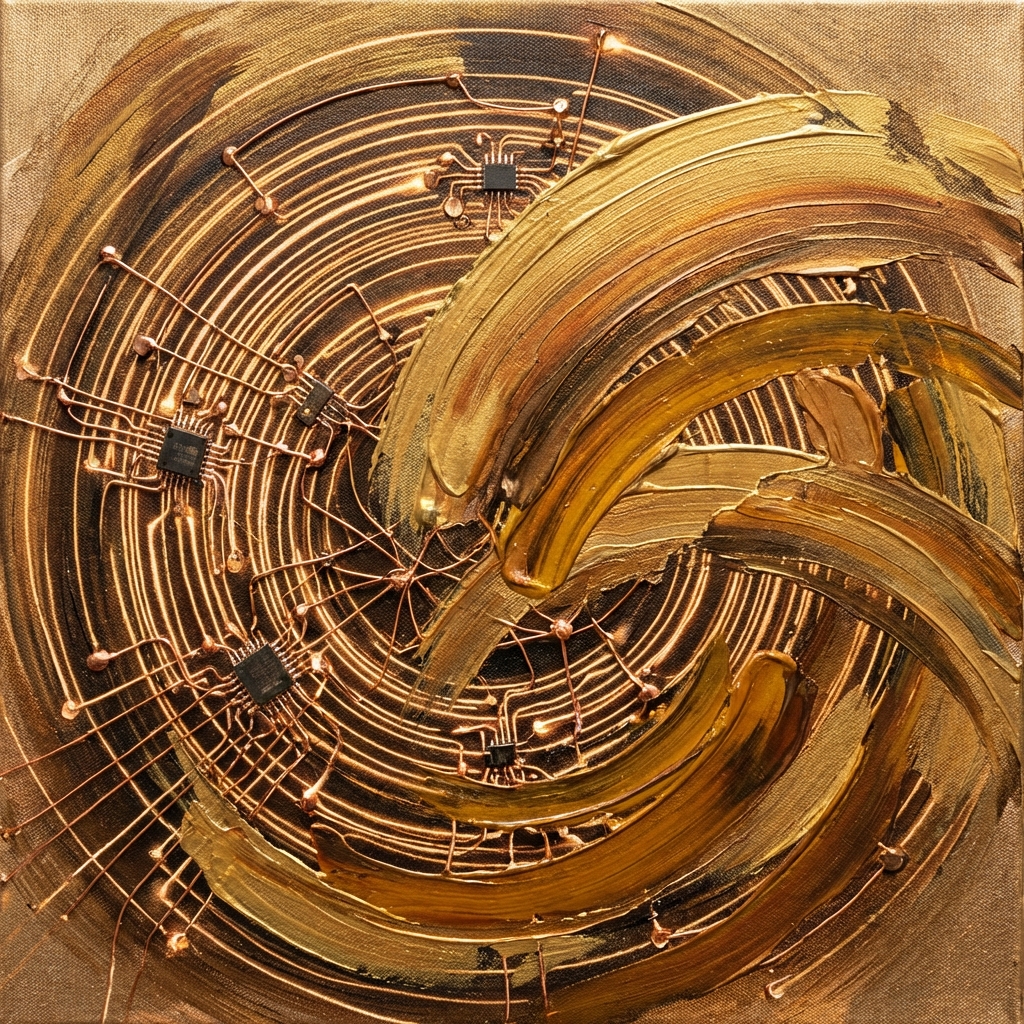
From Automation to Augmentation
To understand the future, we must look at the present utility of AI. Its most immediate impact is in the realm of automation. Design involves a significant amount of repetitive, mundane labor. Resizing assets, removing backgrounds, color correcting thousands of images—these are the tasks that drain the creative spirit. AI excels here. It automates the drudgery, freeing the designer to focus on strategy and conceptualization.
But automation is the floor, not the ceiling. The true power of AI lies in augmentation. Generative design tools allow us to input a set of constraints and receive thousands of variations in seconds. It allows us to explore the entire solution space of a problem, pushing the designer past their own cognitive biases. It challenges us to say, "I hadn't thought of that."
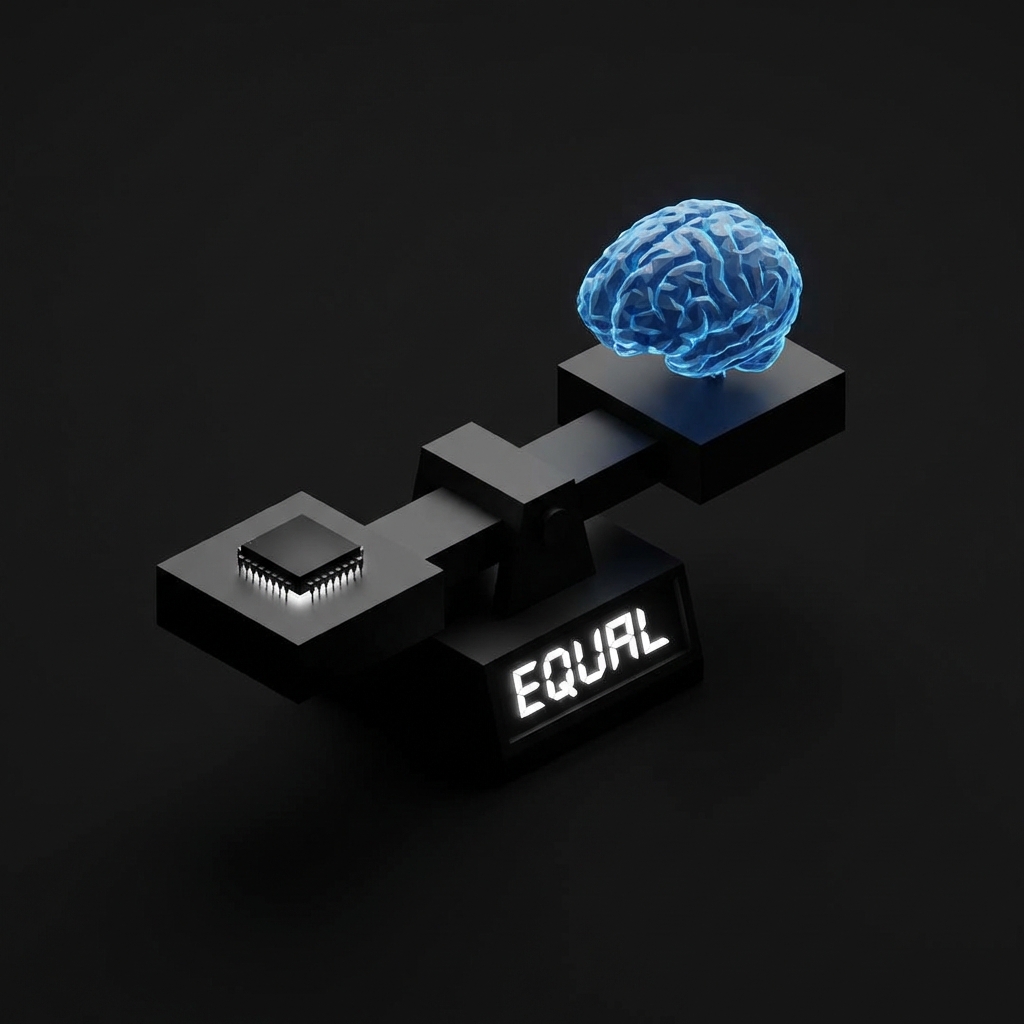
The New Creative Workflow
The integration of AI is rewriting the creative workflow. The blank canvas is becoming a thing of the past. AI serves as the ultimate brainstorming partner. A designer can now generate mood boards, color palettes, and rough concepts in minutes. This rapid prototyping phase allows for faster iteration and more daring experimentation.
However, this speed necessitates a new skill: curation. In a world where content can be generated infinitely, the value shifts from creation to selection. The designer's role evolves from that of a maker to that of a director. We must develop a keener eye for quality and brand alignment. The machine can generate a thousand images, but only the human can know which one tells the story.
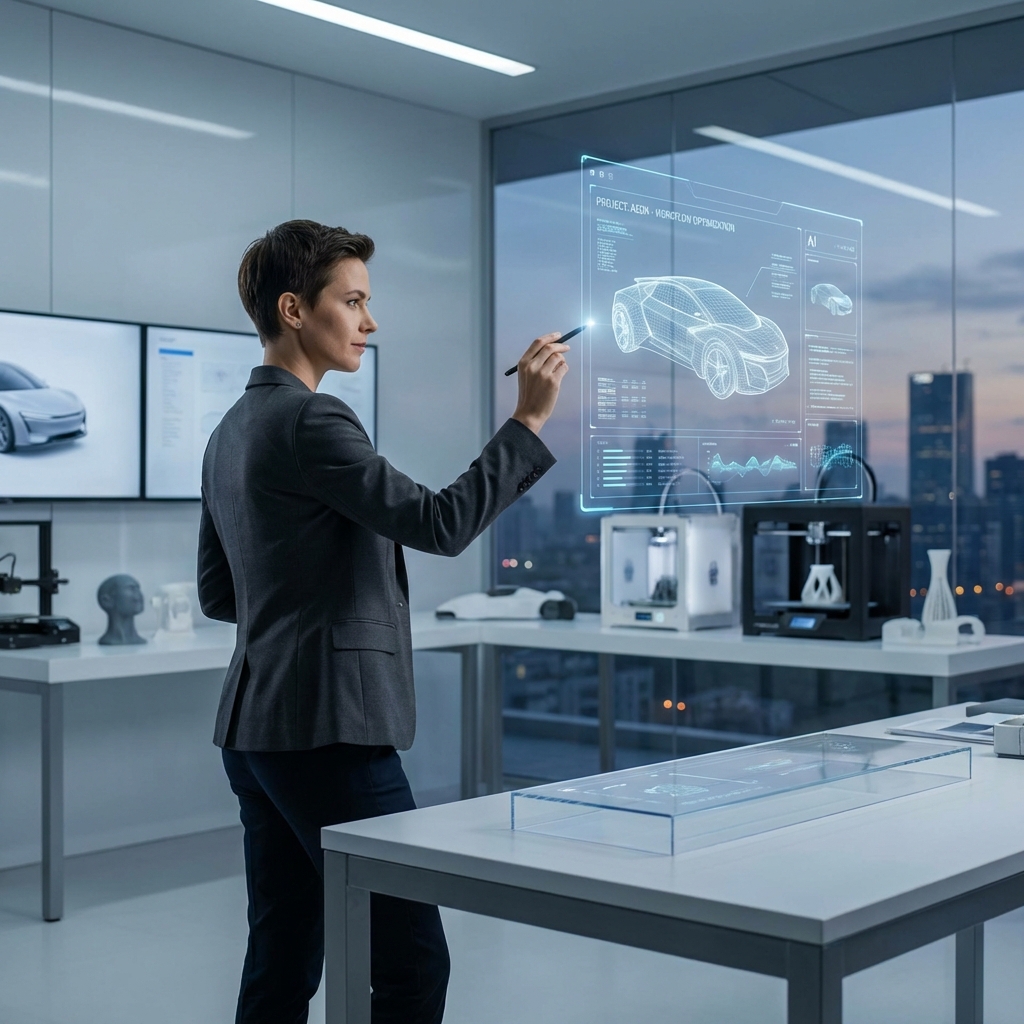
The Ethical Horizon
With great power comes great responsibility. Issues of copyright and ownership are at the forefront. If an AI generates a logo based on a dataset of existing designs, who owns the rights? Furthermore, there is the question of bias. AI models are trained on human data, which is inherently biased. As designers, we must be vigilant, questioning our tools and ensuring that the inclusive future we envision is reflected in the algorithms we use.
The Human Element
Amidst the algorithms, one truth remains: AI cannot replicate the human soul. It can mimic style, but it cannot feel. Great design is about empathy. It is about understanding the user's pain, their desires, and their dreams. The spark of originality, the "ghost in the machine," is still strictly human. The future of design is not human vs. machine; it is human plus machine.
Related Insights
Newsletter
Subscribe our
newsletter
By clicking the submit button, you agree to the
rules for processing personal data.